

10 April 2026
By Marla Edwards, CEO, Suncoast Community Legal Service (SCLS)
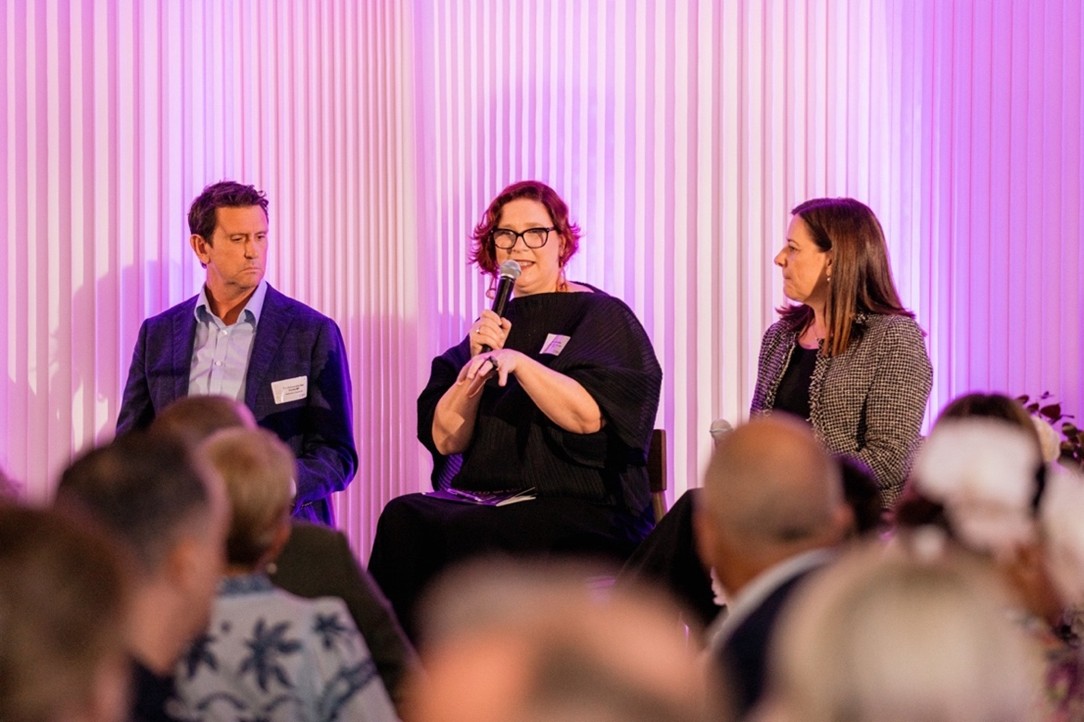
Last month, I had the privilege of joining The Honourable Deb Frecklington MP and The Honourable Dan Purdie MP for a panel discussion addressing domestic and family violence on the Sunshine Coast.
What stood out most from that conversation wasn’t just the scale of the issue, but how often it remains hidden in plain sight.
At SCLS, more than 25 per cent of the matters we assist with are connected to domestic and family violence – a reflection of how deeply this issue is embedded across our community.
But these cases don’t always present that way. Many people come to us seeking help for something else – a neighbourhood issue, a parenting dispute, or financial stress – before it becomes clear that domestic and family violence is part of their story.
This is an important reminder: domestic and family violence rarely exists as a single, isolated issue. More often, it sits beneath a range of interconnected legal challenges, creating layers of complexity at a time when people are already under significant emotional, financial and psychological strain.
It cuts across civil, criminal and family law matters, and increasingly intersects with housing stress and cost-of-living pressures – factors that can intensify already fragile situations for families.
In 2025 alone, more than 2,500 people turned to SCLS for help. For many, that first conversation was the moment they truly understood their rights and the options available to them.
And that’s where timing matters.
Too often, people seek legal help only once a situation has escalated to crisis point. But when people are able to access advice earlier – when they understand their rights, their options, and the steps available to them – it can shift the trajectory of their situation.
Encouragingly, we are seeing more people come forward earlier – often after engaging with community legal education or becoming more aware of the support available. That shift is critical – because it shows that when services are visible, accessible and trusted, people seek help earlier and outcomes improve.
But no single organisation can meet this need alone.
One of the most powerful takeaways from the recent panel discussion was the importance of collective effort. Community legal centres like SCLS play a vital early-intervention role – work that is only possible because of the extraordinary contribution of more than 100 volunteer lawyers who donate thousands of hours of pro bono support each year.
Early legal intervention doesn’t just support those looking for help and guidance. It also reduces pressure on courts, emergency services and the broader justice system by resolving issues before they become more complex and costly to address.
If we are serious about addressing domestic and family violence in our community, we must continue to invest not only in crisis response, but in early intervention, education and collaboration.
Because often, the most important step is not the final legal outcome – it is that first conversation, where someone understands, sometimes for the first time, that they have options.
And that conversation can change everything.