

27 April 2026
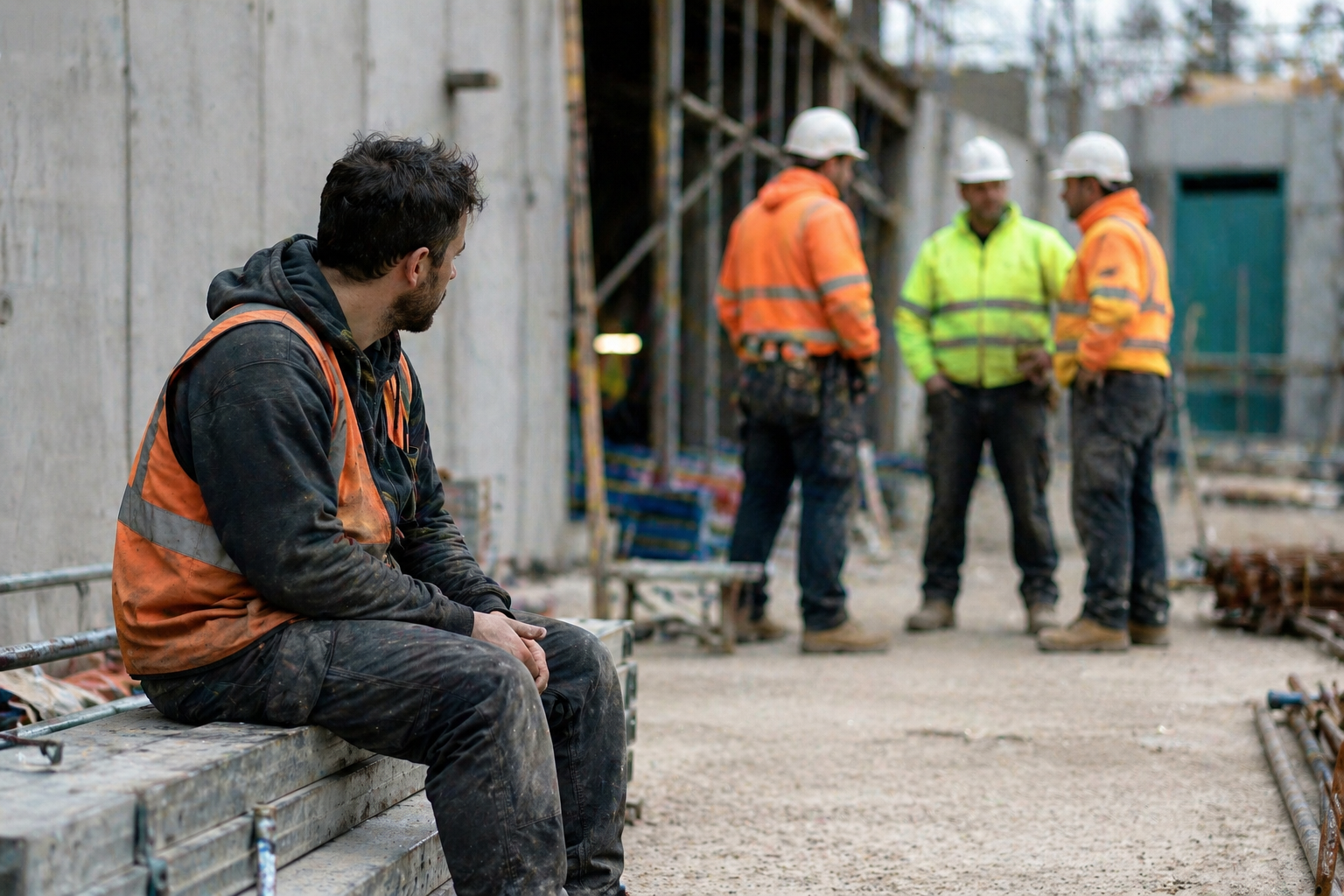
Ahead of World Day for Safety & Health at Work (28 April), workplace legal experts are warning a growing number of injured workers are being quietly sidelined on their return to work – not because they can’t do the job, but because of how they are perceived.
Special Counsel at Travis Schultz & Partners Sarah Grace said her team was seeing a consistent pattern across matters where employees were medically cleared to return but faced subtle and sustained barriers once back in the workplace.
“World Day for Safety & Health at Work is a timely reminder that creating a safe workplace extends beyond preventing injury, it also means supporting workers properly when they return,” Ms Grace said.
“We’re seeing more people who have suffered an injury being shut out of work – not because they can’t perform, but because of assumptions about their reliability, capability or risk. That can show up in a reluctance to re-hire, reduced hours, fewer opportunities, or a shift in how someone is treated by colleagues and supervisors.
“In one case, a healthcare worker sustained a back injury while assisting a patient and returned to work on modified duties after a short period of leave. While there was no formal complaint or overt bullying, the workplace dynamic shifted.
“She was no longer rostered with the same team, colleagues became less engaged, and she was told she was no longer as reliable as before. Over time, subtle exclusion – fewer shifts, less involvement and reduced trust – led to growing anxiety, loss of confidence and a fear of re-injury.
“In another case, a young apprentice injured his knee on site early in his career. Keen to prove himself, he returned on light duties but quickly found himself sidelined.
“He was teased about being “soft”, excluded from hands-on work and received less support from his supervisor. Rather than speak up, he internalised the experience – withdrawing, losing confidence and eventually leaving the industry altogether.”
Psychiatrist Dr Sally Lambert said these types of workplace experiences can have a significant psychological impact, particularly during what is already a vulnerable period of recovery.
“In some cases, the workplace response can have a greater psychological impact than the injury itself,” Dr Lambert said.
“Returning to work after an injury is a particularly vulnerable period, not just physically but psychologically, and how someone is received can significantly shape their recovery.
“If a person feels excluded or treated differently, it can undermine their sense of belonging and confidence at a time when they’re already questioning their capacity in the workplace.
“A lack of support or subtle changes in how someone is treated can lead to withdrawal from colleagues and a reluctance to fully re-engage, even when they are physically capable and, in some cases, lead to psychological injury.
“This kind of psychological distress can complicate recovery and extend it well beyond the physical injury. In some cases, it’s the workplace response that has the greatest impact of all.”
Ms Grace said the issue had broader implications for employers and the workforce, with poor return-to-work experiences contributing to longer absences, higher turnover and loss of skilled workers.
“Average time off work for psychological injuries is often more than double that of physical injuries,[1] reinforcing the need for better support – not additional barriers – when people are trying to return to work,” Ms Grace said.
From a legal perspective, Ms Grace said both the injury itself, and the stigma attached to it must be considered when assessing future earning capacity.
“In personal injury law, we assess real-world earning capacity and that includes how someone will actually be received by employers and the job market,” Ms Grace said.
“In some cases, particularly with psychological injuries, stigma can have a greater impact on future earning capacity than the injury itself. That’s a confronting reality, but it’s one we are seeing play out more often.
“Workplace safety doesn’t end with the injury or initial recovery – how someone is supported to return, and how they are treated when they do, is just as critical.”
Media contact: Trudie Abel, Fresh PR & Marketing | 0408 119 443 | trudie@freshprm.com.au
About spokespeople available:
www.schultzlaw.com.au/meet-your-team/sarah-grace/
www.medibytes.com.au/our-panel/dr-sally-lambert
About Travis Schultz & Partners
Travis Schultz & Partners was established in 2018 by founding Managing Partner Travis Schultz on the guiding values of fairness, respect and expertise. Today, the award-winning, nationally recognised compensation law firm is home to Queensland’s largest team of Personal Injury Accredited Specialists among its more than 70 staff. The firm services clients across the state from offices in Brisbane, the Sunshine Coast, the Gold Coast and Cairns. www.schultzlaw.com.au
[1] WorkCover Queensland Annual Report 2024-25: https://www.worksafe.qld.gov.au/__data/assets/pdf_file/0019/151048/WorkCover-Queensland-Annual-report-2024-2025-FINAL.pdf