
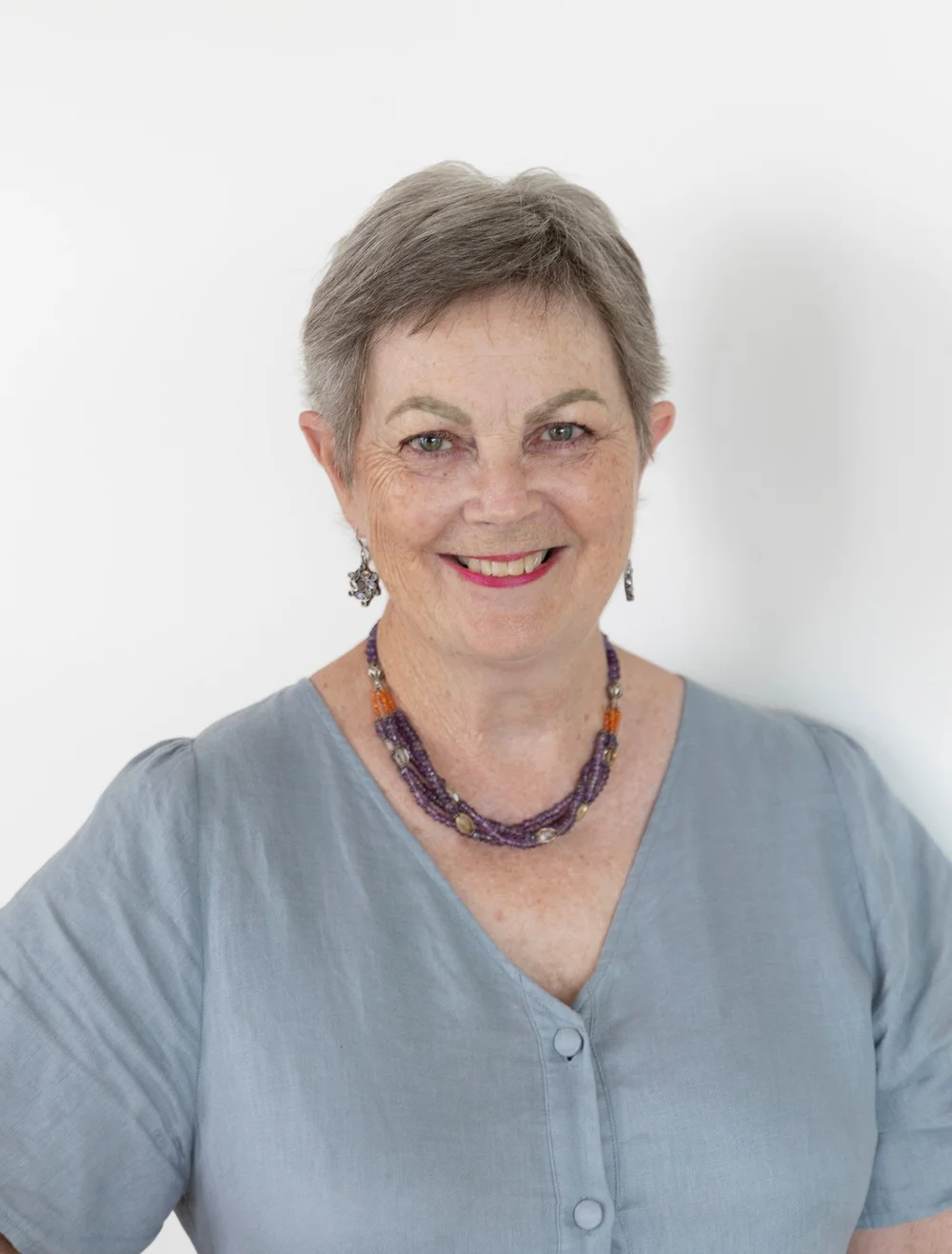
By Noela L’Estrange, President, Suncoast Community Legal Service (SCLS)
World Elder Abuse Awareness Day on 15 June is an important reminder that abuse of older people is something that happens everywhere. It is occurring in our communities, often hidden behind the relaxed lifestyle and retirement dream that draws so many people to the Sunshine Coast.
But abuse of older people touches everyone – not only them, but their families and our communities. Elder abuse occurs when personal safety, dignity and independence are quietly eroded by abuse, exploitation and coercion.
More often than physical abuse, elder abuse can involve financial exploitation, coercion, intimidation, psychological abuse, neglect or pressure relating to money, property and decision-making. In many cases, the person causing harm is someone the older person knows, trusts or relies upon.
Sometimes it begins with subtle warning signs – increasing isolation, pressure to change important documents, loss of control over personal decision-making, or financial arrangements that are not fully understood or explained.
For many older people, the hardest step is not taking legal action ‒ it’s finding the confidence to speak up.
Often, older people feel embarrassed, conflicted or fearful about the consequences of raising concerns, particularly when family members are involved. Others simply do not recognise that what they are experiencing may be abuse.
That is why early intervention matters so much – and why Community legal services play a vital role in making those conversations possible.
In 2025 alone, more than 2,500 people turned to SCLS for help. For many, that first conversation was the moment they truly understood their rights, the options available to them and the support they could access.
Nationally, around one in six older Australians experienced abuse in the past year.[1] In a community like ours – one of Australia’s fastest ageing regions, with more than two in five residents aged 55 and over – that statistic should give us pause.[2]
Elder abuse is often described as a silent epidemic – but on the Sunshine Coast, the warning signs are becoming harder to ignore. Recent figures show reports of elder abuse increased by 27 per cent in a single year, making our region one of the most common places in Queensland for elder abuse concerns to be reported.[3]
Yet the reality is that elder abuse remains significantly underreported. Often, people are reluctant to seek help because the issues are complex and deeply personal, intersecting with broader pressures such as housing stress, financial strain, caregiving responsibilities and social isolation.
At Suncoast Community Legal Service, we see the impact of this every day.
In one matter, an older Sunshine Coast resident’s home was sold and the proceeds placed under the control of a family member acting under Enduring Power of Attorney. Over time, contact with another close family member became increasingly limited, with access to them in aged care restricted.
In another case, an older parent became reliant on an adult child following a fall. What began as support gradually evolved into control over finances and decision-making, with concerns dismissed as confusion.
These examples highlight how elder abuse can emerge gradually and in ways that are not immediately recognised. Dependence can lead to financial control, social isolation and the erosion of an older person’s voice, relationships and independence.
The Queensland Government has committed to improving awareness, services and safeguards for older Queenslanders.[4] These reforms matter. But community awareness is equally important.
Protecting older people requires honest conversations about ageing, financial planning, powers of attorney and family pressures. It requires us to recognise warning signs early and ensure support is available before harm occurs.
Most importantly, it requires us to listen.
Because elder abuse thrives in silence.
[1] Source: Australian Institute of Health and Welfare (2026), Older people, citing the National Elder Abuse Prevalence Study: https://www.aihw.gov.au/family-domestic-and-sexual-violence/population-groups/older-people
[2] Australian Bureau of Statistics (ABS), 2021 Census of Population and Housing, General Community Profile – Sunshine Coast (Regional Council) [LGA Code 316], Table G01: Selected Person Characteristics by Age. Based on combined population counts for age groups 55–59 (27,004), 60–64 (27,271), 65–69 (25,470), 70–74 (24,592), 75–79 (17,814), 80–84 (11,386) and 85 and over (10,669), equaling 143,206 people aged 55 and over from a total population of 342,541(≈41.8% or two in five).
[3] Source: Queensland Government, Chilling report further confirms need for Elder Abuse Inquiry, Minister for Families, Seniors and Disability Services and Minister for Child Safety and the Prevention of Domestic and Family Violence, media statement, 5 January 2025. Reports of elder abuse on the Sunshine Coast increased by 27.4% in 2023–24 compared with the previous reporting year. Available at: https://statements.qld.gov.au/statements/101813
[4] Source: Queensland Government (2025), Queensland Government Response to the Inquiry into Elder Abuse in Queensland, Education, Arts and Communities Committee Report No. 11, 58th Parliament, November 2025. Available at: https://www.parliament.qld.gov.au/Work-of-the-Assembly/Tabled-Papers/docs/5826T0319/5826t319.pdf